



What Are Fiber Optic Sensors Used for in Industrial Detection?
Explore common industrial detection applications for fiber optic sensors, including presence sensing, position detection, robotic handling, and confined-space installation.
2026-03
What Are Fiber Optic Sensors Used for in Industrial Detection?
Fiber optic sensors are widely used in industrial automation when the sensing point is small, the installation space is limited, or the machine structure makes standard sensors difficult to install.
In many production environments, the issue is not simply whether a target can be detected. The bigger challenge is whether the sensor can be placed in the right position and keep working reliably during continuous machine operation. This is one of the main reasons fiber optic sensors are used in automation equipment.
Why Fiber Optic Sensors Are Used in Automation
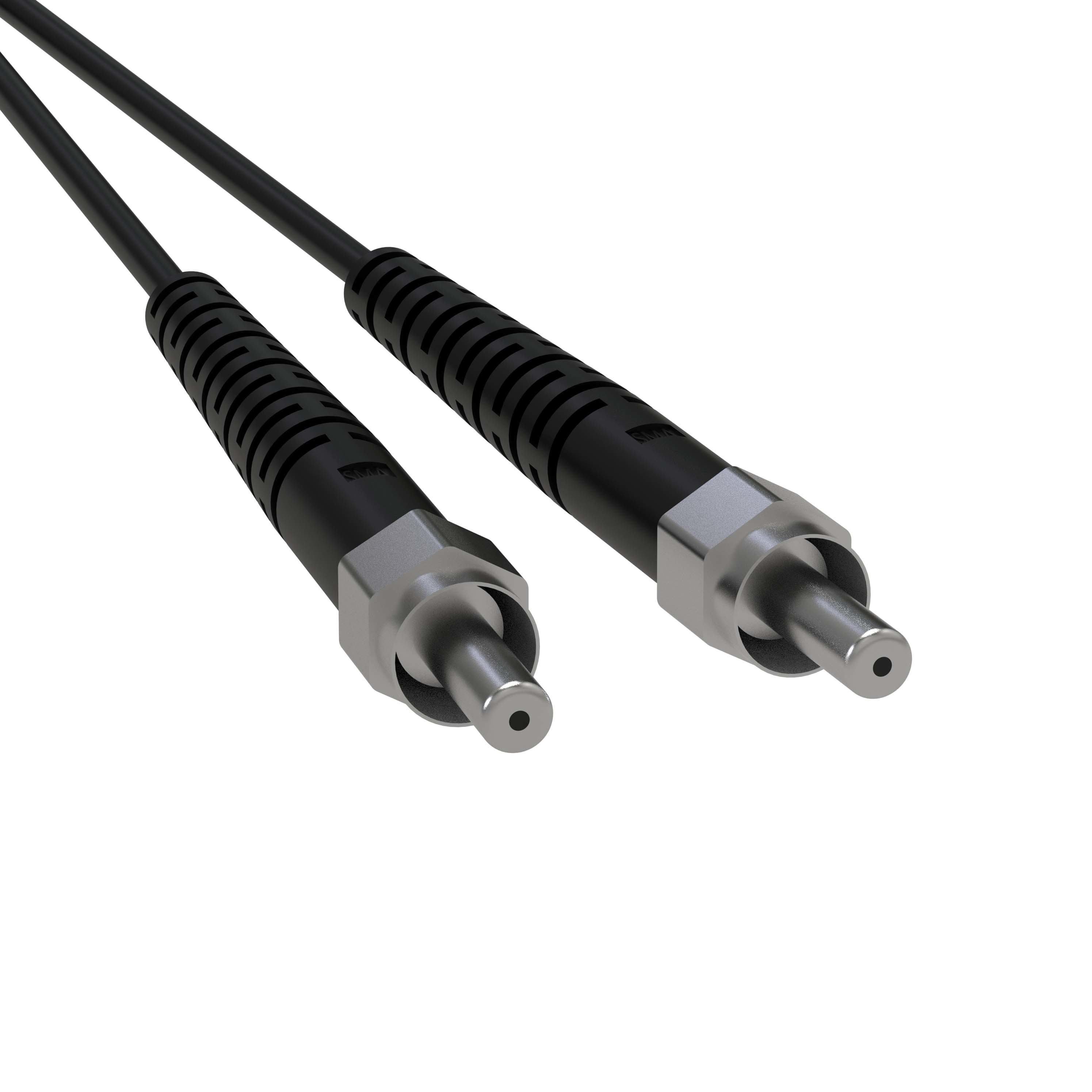
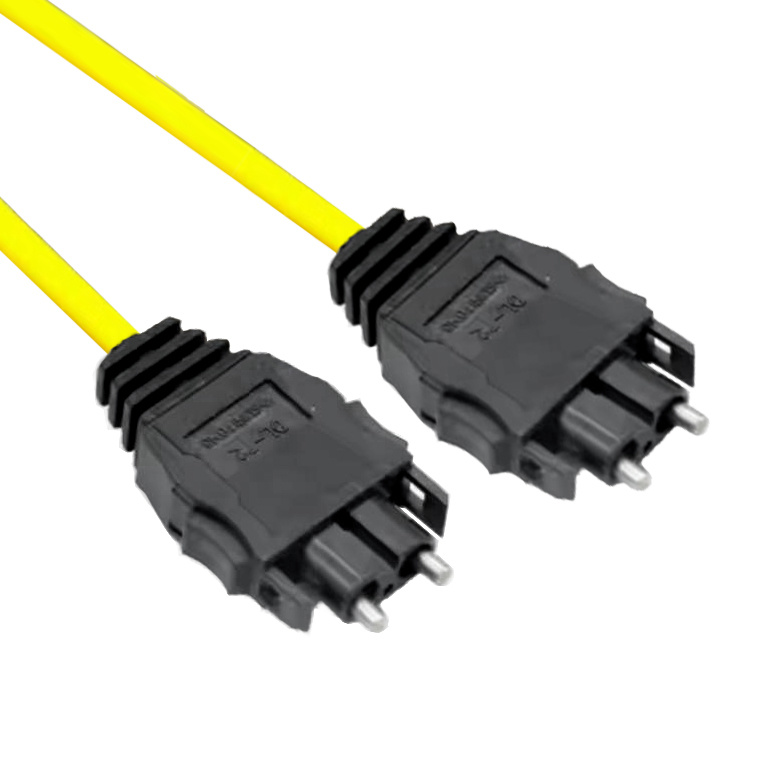
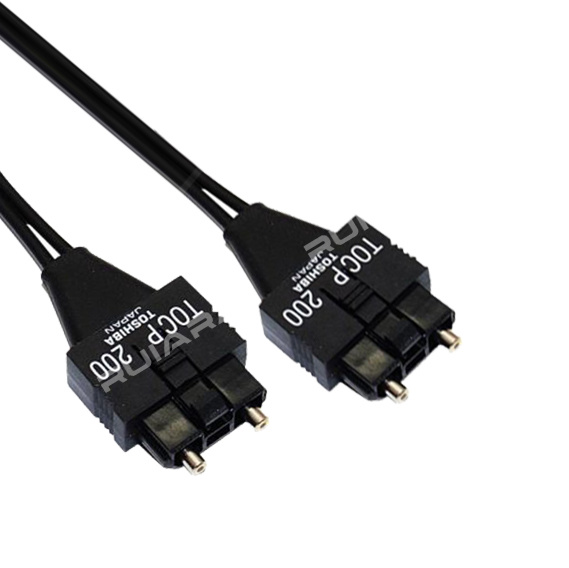
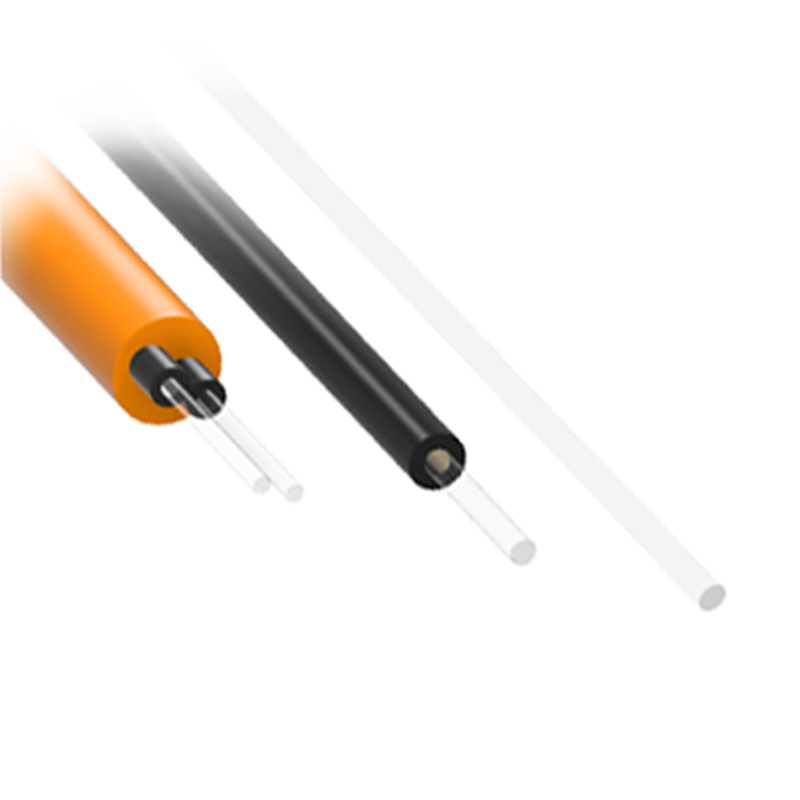
Compared with conventional sensors, fiber optic sensors use a much smaller sensing head. This makes them easier to install in narrow spaces, close to fixtures, inside equipment, or around mechanical structures where standard sensors may be too large.
They are often selected when the application requires:
- compact installation
- small target detection
- stable position confirmation
- flexible mounting
- fast response in automated equipment
They are not meant to replace every type of sensor, but they are often a better option when space, structure, or detection accuracy creates practical limitations.

Common Applications of Fiber Optic Sensors
Presence and absence detection
One of the most common uses is checking whether a part is present in a fixture, tray, holder, or assembly position. In these applications, the sensing point is often small, and reliable detection is important for the next process step.
Position detection and in-place confirmation
Fiber optic sensors are also used to confirm whether a moving part, workpiece, or mechanism has reached the correct position. This is common in automated machinery where process timing depends on accurate status confirmation.
Small part detection
For compact components or limited sensing areas, a fiber optic sensor is often easier to arrange than a conventional sensor. The small fiber head makes it more suitable for short-range and precise detection points.
Robotic pick-and-place confirmation
In automated handling systems, fiber optic sensors can help confirm whether a robot has picked up a part or whether the target has been placed in the correct position. This helps improve process consistency in repetitive motion systems.
Conveyor and sorting process monitoring
Fiber optic sensors are widely used to detect passing objects, part arrival, or object position on conveyor and sorting lines. In these applications, stable detection and fast response are both important.
Detection in confined spaces
When the sensing point is located in a narrow gap, corner, or inside a complex machine structure, fiber optic sensors are often easier to install and adjust. This is one of their most practical advantages in industrial equipment.
When Fiber Optic Sensors Make More Sense
A fiber optic sensor is usually worth considering when the installation conditions are more difficult than the detection task itself.
This often includes applications where:
- available mounting space is limited
- the target object is small
- the sensing point is difficult to reach
- the equipment runs at a high cycle rate
- stable and repeatable detection is required
In these situations, the benefit of a smaller and more flexible sensing structure becomes much more obvious.

How to Choose the Right Fiber Optic Sensor
Choosing a suitable model depends on the actual application, not just on the catalog specification.
It is important to consider:
- the size and shape of the target
- the sensing position
- the available installation space
- the sensing distance
- the operating speed of the equipment
- the matching amplifier and fiber unit
A good selection should match both the detection task and the machine structure. In industrial applications, installation fit is often just as important as sensing performance.
Conclusion
Fiber optic sensors are commonly used in industrial detection for part presence sensing, position confirmation, small component detection, robotic handling, conveyor monitoring, and sensing in narrow installation spaces.
When equipment design makes conventional sensors difficult to use, fiber optic sensors often provide a more practical solution. Their compact sensing head and flexible installation make them especially useful in automation equipment where space is limited and reliable detection matters.
Related News


