



Why Plastic Optical Fiber Is Used in High-Voltage Equipment
Plastic optical fiber is widely used in high-voltage equipment for signal transmission and optical isolation. This article explains its main advantages, typical applications, and why it remains a practical choice in high-EMI industrial environments.
2026-04
In high-voltage equipment, signal transmission is not only about getting data from one point to another. It is also about keeping the system stable, reducing interference, and protecting control circuits from electrical noise. This is one of the main reasons why plastic optical fiber is used in many high-voltage and power electronic applications.
Compared with conventional copper wiring, plastic optical fiber offers a different way to transmit signals. It does not conduct electricity, which makes it naturally suitable for electrical isolation. In environments where high voltage, strong electromagnetic interference, and switching noise are common, that advantage becomes especially important.
For equipment manufacturers and system integrators, plastic optical fiber is often a practical choice for short-distance signal links inside cabinets, control units, driver boards, and protection modules.
What Is Plastic Optical Fiber?
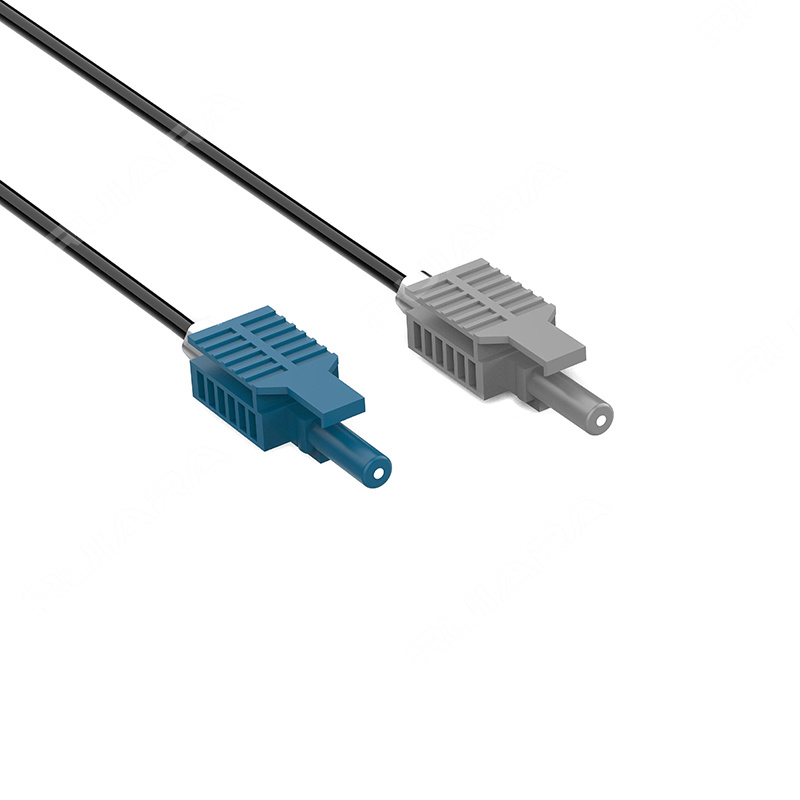
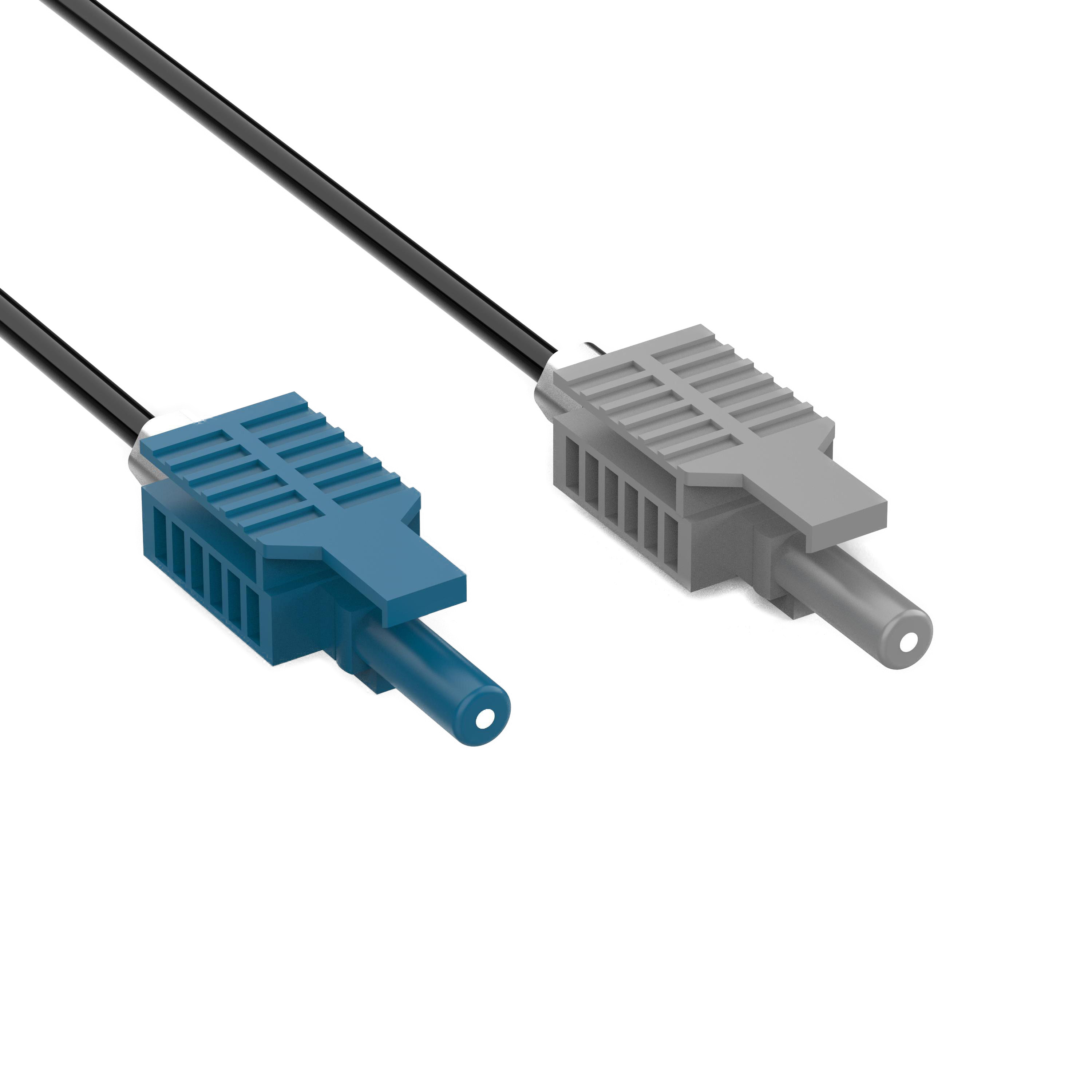
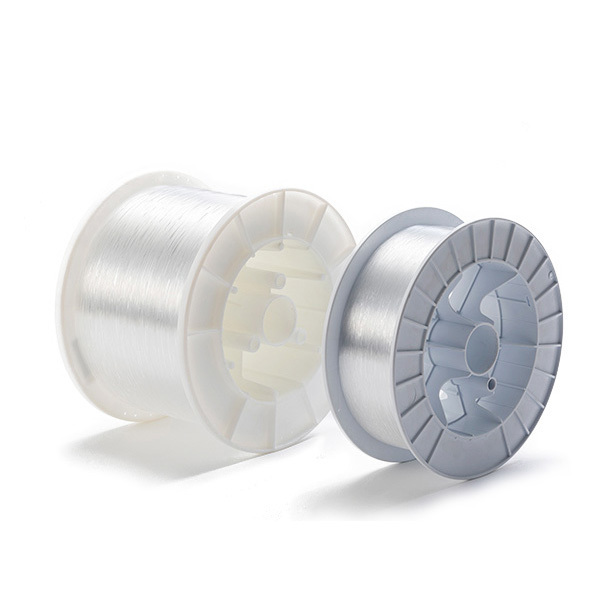
Plastic optical fiber, often called POF, is an optical fiber with a plastic core and cladding. It is commonly used for short-distance optical transmission.
Compared with glass fiber, POF is typically easier to handle, more flexible, and more convenient for installation in many industrial environments. It is well suited to applications where the transmission distance is not very long, but stable signal transfer and electrical isolation are important.
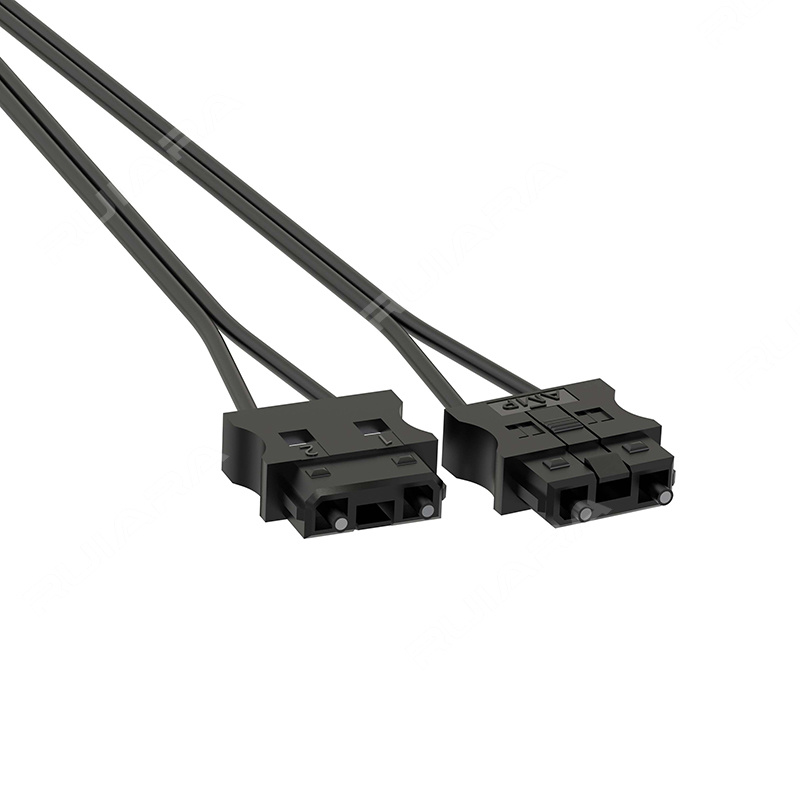
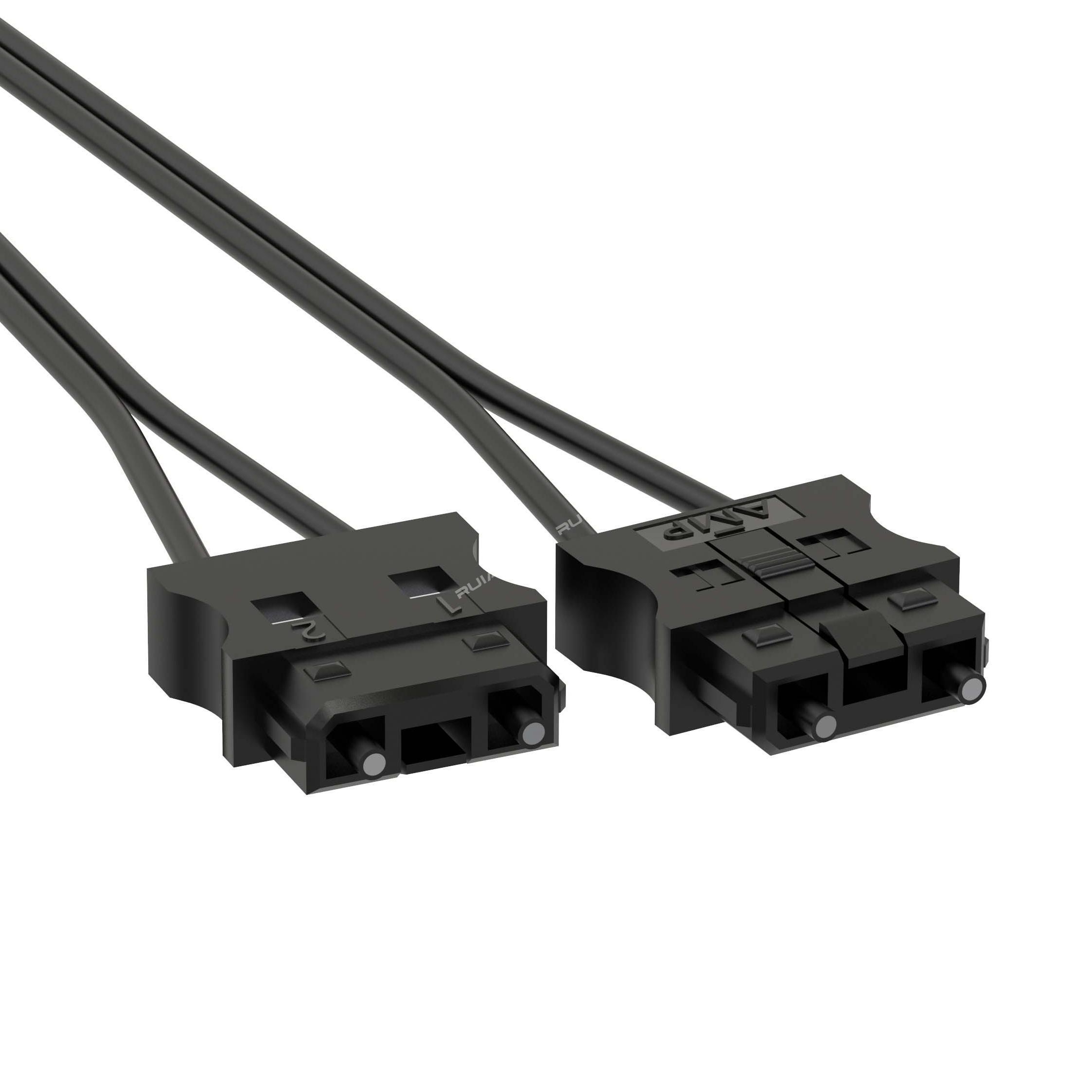
In industrial and power-related systems, POF is often used together with matching transmitters, receivers, and connection assemblies to build reliable optical signal links.
Why High-Voltage Equipment Uses Plastic Optical Fiber
1. Natural Electrical Isolation
The biggest reason is simple: plastic optical fiber does not carry electrical current.
In high-voltage equipment, control circuits and power circuits often work in very different electrical environments. If signal transmission relies only on electrical conductors, interference and insulation issues become more difficult to manage. Optical transmission creates a clean separation between the sending side and the receiving side.
This makes POF a practical option for optical isolation links in high-voltage systems.
2. Better Resistance to Electromagnetic Interference
High-voltage equipment often operates in environments with strong electromagnetic interference. Power switching, inverter operation, driver circuits, and high-current paths can all introduce noise into nearby signal lines.
Plastic optical fiber is not affected by EMI in the same way copper cables are. For short-distance communication and control signal transmission, this can help improve signal integrity and reduce the risk of unstable performance caused by electrical noise.
3. Suitable for Short-Distance Industrial Signal Transmission
Many signal links inside high-voltage equipment do not require long transmission distance. They may only need to connect:
- control boards
- driver units
- protection modules
- interface boards
- communication modules inside cabinets
For this type of short-range application, POF can provide a good balance of performance, installation convenience, and cost.
4. Flexible and Easier to Handle in Equipment Assembly
Compared with some traditional glass fiber solutions, plastic optical fiber is usually more flexible and easier to route in compact equipment structures. For manufacturers, that can make assembly and cable management more convenient.
This is especially useful when the optical link must pass through tight internal layouts, control compartments, or areas where repeated installation and maintenance may be required.
5. Reliable for Repeated Industrial Use
In many industrial applications, signal links are expected to work continuously in real operating environments rather than ideal laboratory conditions. Plastic optical fiber is commonly chosen because it can support stable optical transmission in many practical installations when the design and matching components are selected properly.
Typical Applications in High-Voltage Equipment
Plastic optical fiber is not used in high-voltage equipment as a decorative or secondary component. In many systems, it plays a direct role in signal transfer and isolation.
Typical applications include:
Driver and Protection Units
In power electronic equipment, driver and protection modules often need isolated signal links. POF can be used to transmit control or status signals between different boards while maintaining electrical separation.
Inverters and Converters
Inverters, converters, and similar switching systems are common sources of electrical noise. Plastic optical fiber can help build more stable communication or control links in these environments, especially over short distances.
Energy Storage and Power Control Systems
In energy storage systems and related control equipment, multiple modules need to exchange signals safely and reliably. POF is often a suitable choice for certain internal links where optical isolation and EMI resistance are needed.
Industrial Control Cabinets
Inside control cabinets, signal transmission paths may pass close to power devices, busbars, switching units, or other noise sources. Optical links based on plastic optical fiber can help reduce interference risks compared with conventional electrical wiring.
High-Voltage Testing and Monitoring Systems
Some monitoring and signal collection systems also use optical transmission to avoid direct electrical coupling between high-voltage areas and low-voltage control sections.
Why Not Just Use Copper Cable?
Copper cable is still widely used in industrial equipment, and in many cases it works well. But in high-voltage applications, copper has some natural limitations.
It is affected by electromagnetic interference, requires more attention to grounding and shielding, and does not provide optical isolation by itself. In some systems, additional protection or isolation design is needed to make copper-based signal transmission work reliably.
Plastic optical fiber addresses these issues from a different direction. Because it is optical rather than electrical, it can simplify signal isolation in certain short-distance links and help improve system robustness in noisy environments.
Plastic Optical Fiber vs Glass Fiber in This Type of Application
Glass fiber is important in many communication systems, especially for longer distances and higher bandwidth requirements. However, not every high-voltage signal link needs that level of transmission capability.
For many internal equipment connections, the priority is not ultra-long distance. The real priorities are often:
- electrical isolation
- stable short-distance signal transmission
- easier routing
- practical installation
- cost control for industrial assembly
That is why plastic optical fiber remains relevant in power and industrial applications. It is not replacing every glass fiber solution, but it fits a specific range of use cases very well.
Key Points When Choosing Plastic Optical Fiber for High-Voltage Equipment
Not every POF assembly is the same. When selecting products for high-voltage equipment, it is important to look at the actual application conditions.
The main points usually include:
Application Structure
Is the fiber link used between two boards, inside one control unit, or between separate modules in a cabinet? The physical layout affects cable length, routing method, and connector style.
Matching Transmitters and Receivers
POF assemblies are often used together with compatible optical transmitters and receivers. Product matching should be confirmed early to avoid interface or performance mismatch.
Cable Structure
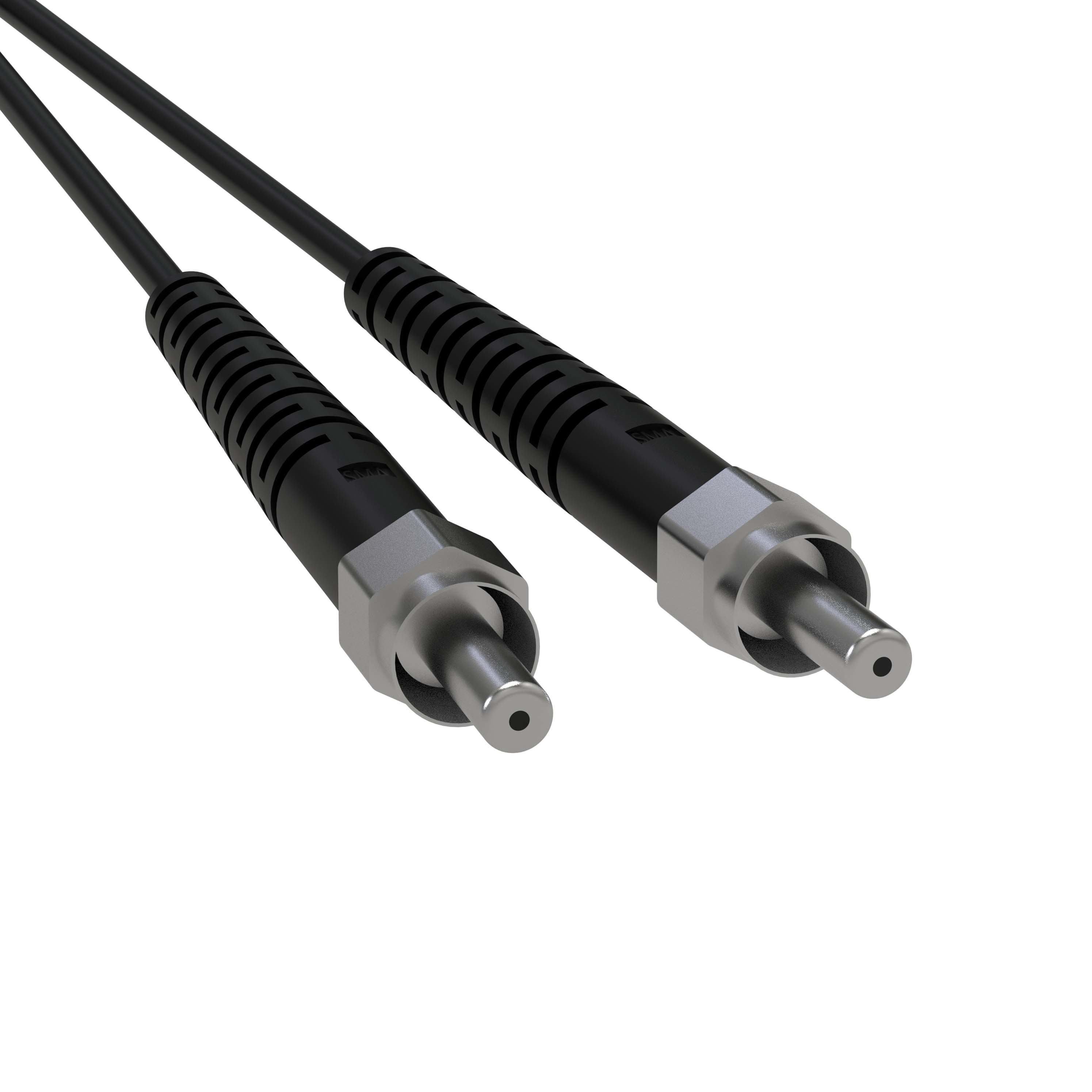
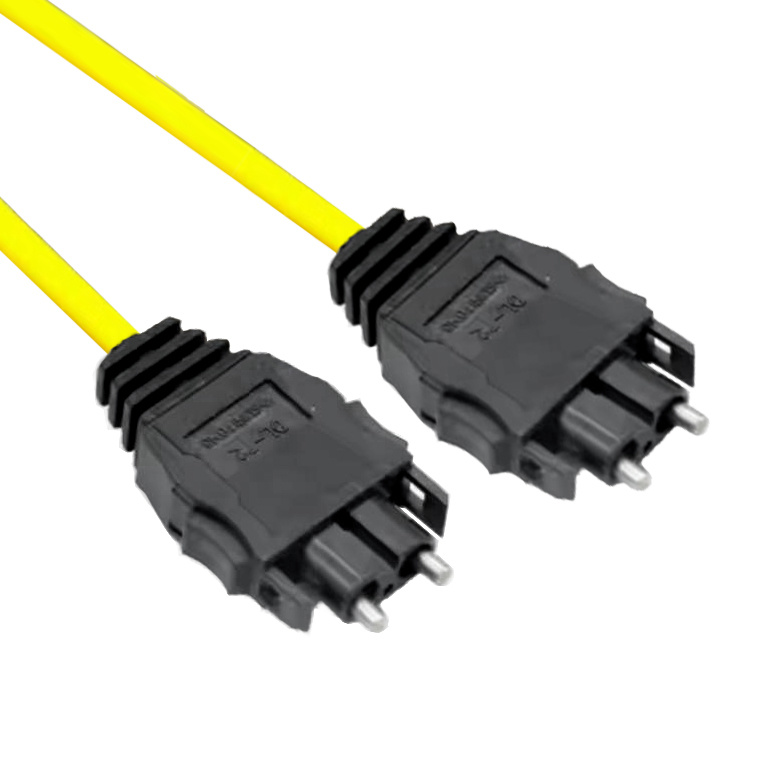
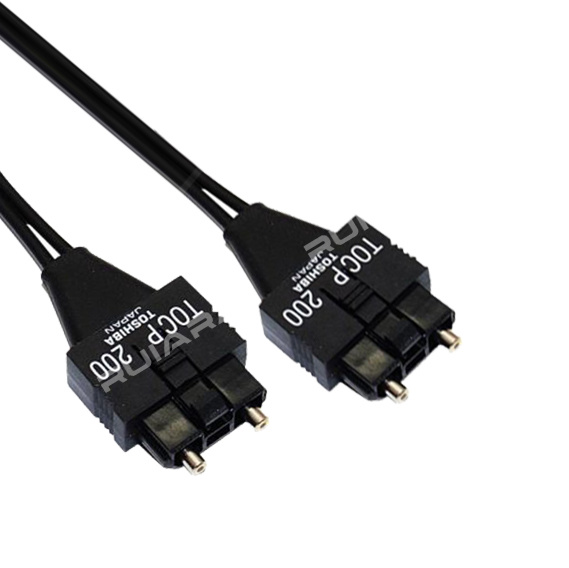
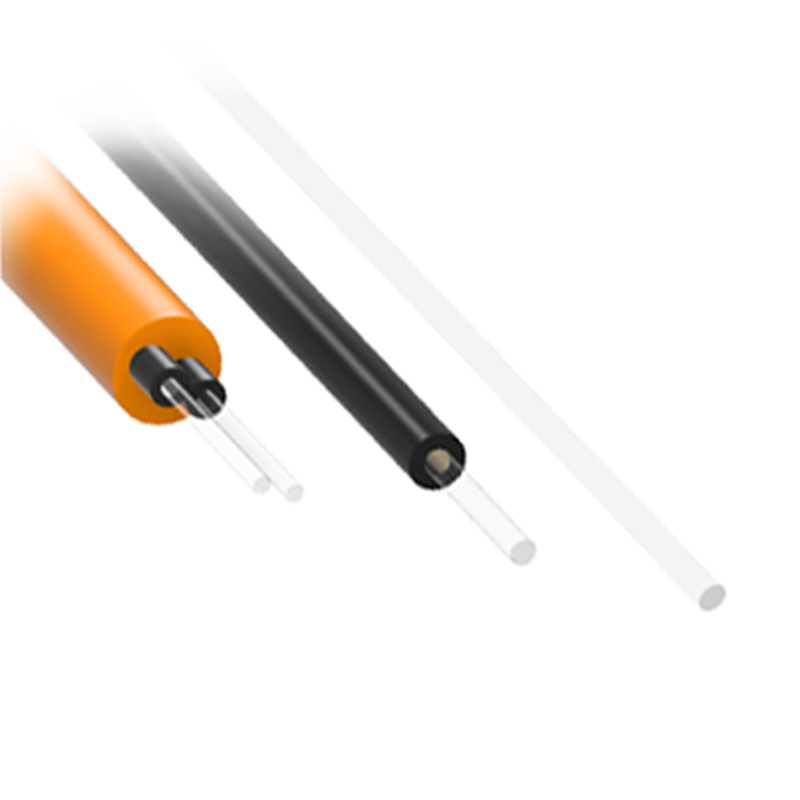
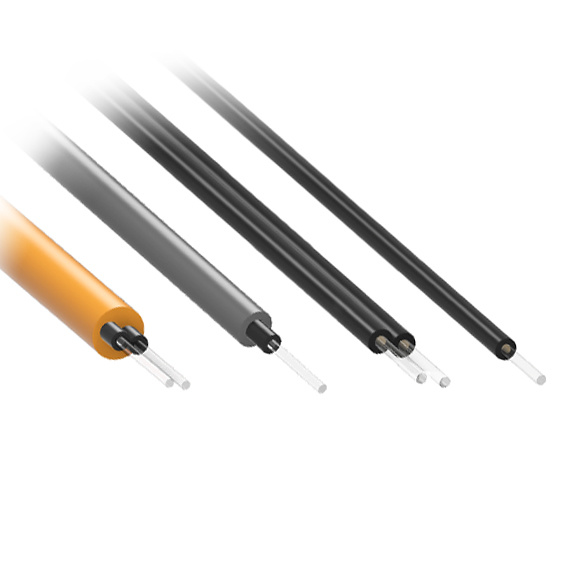
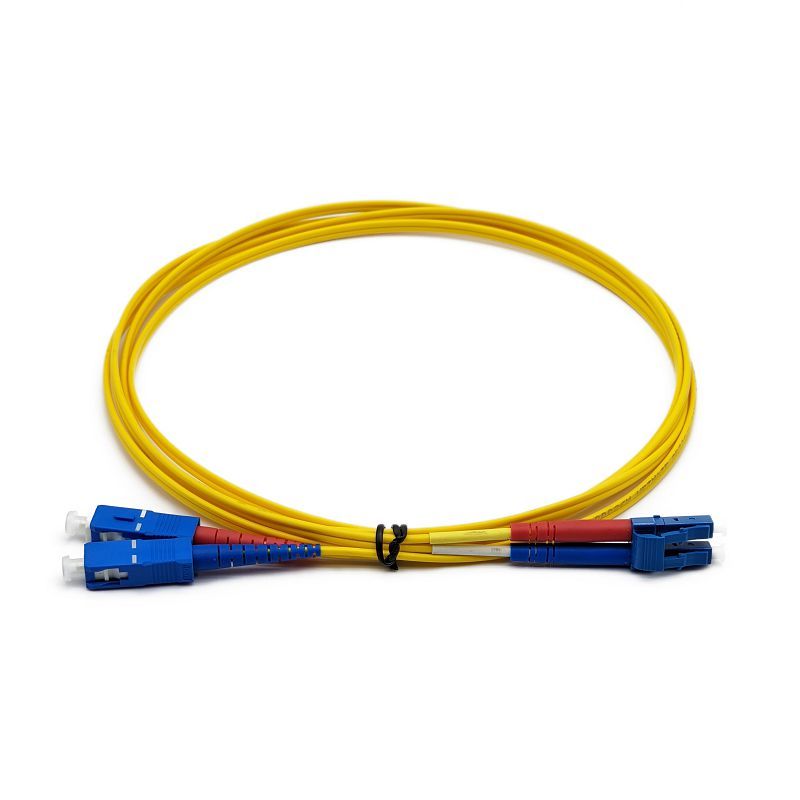
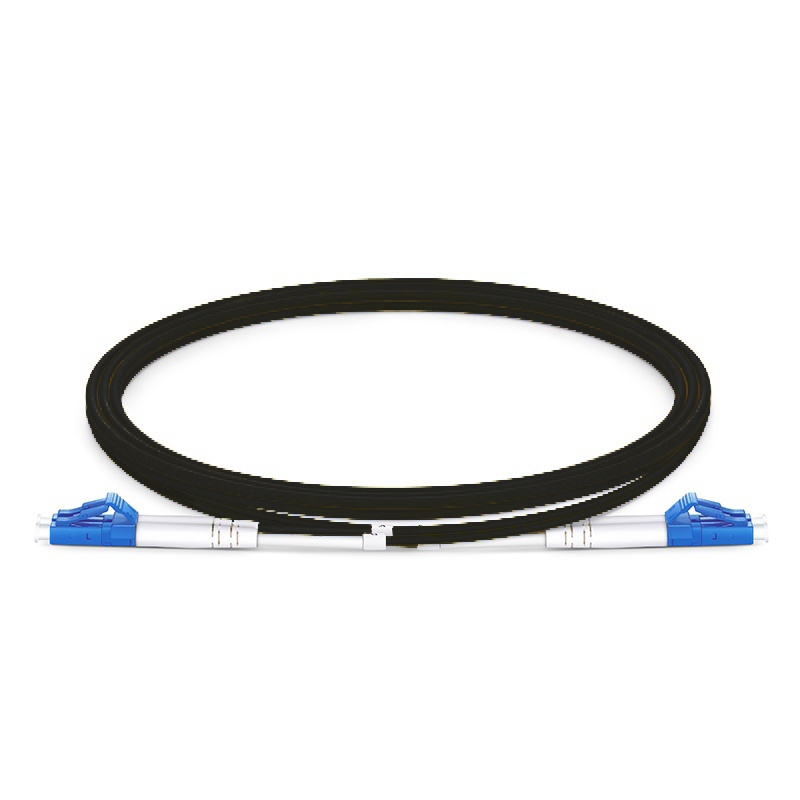
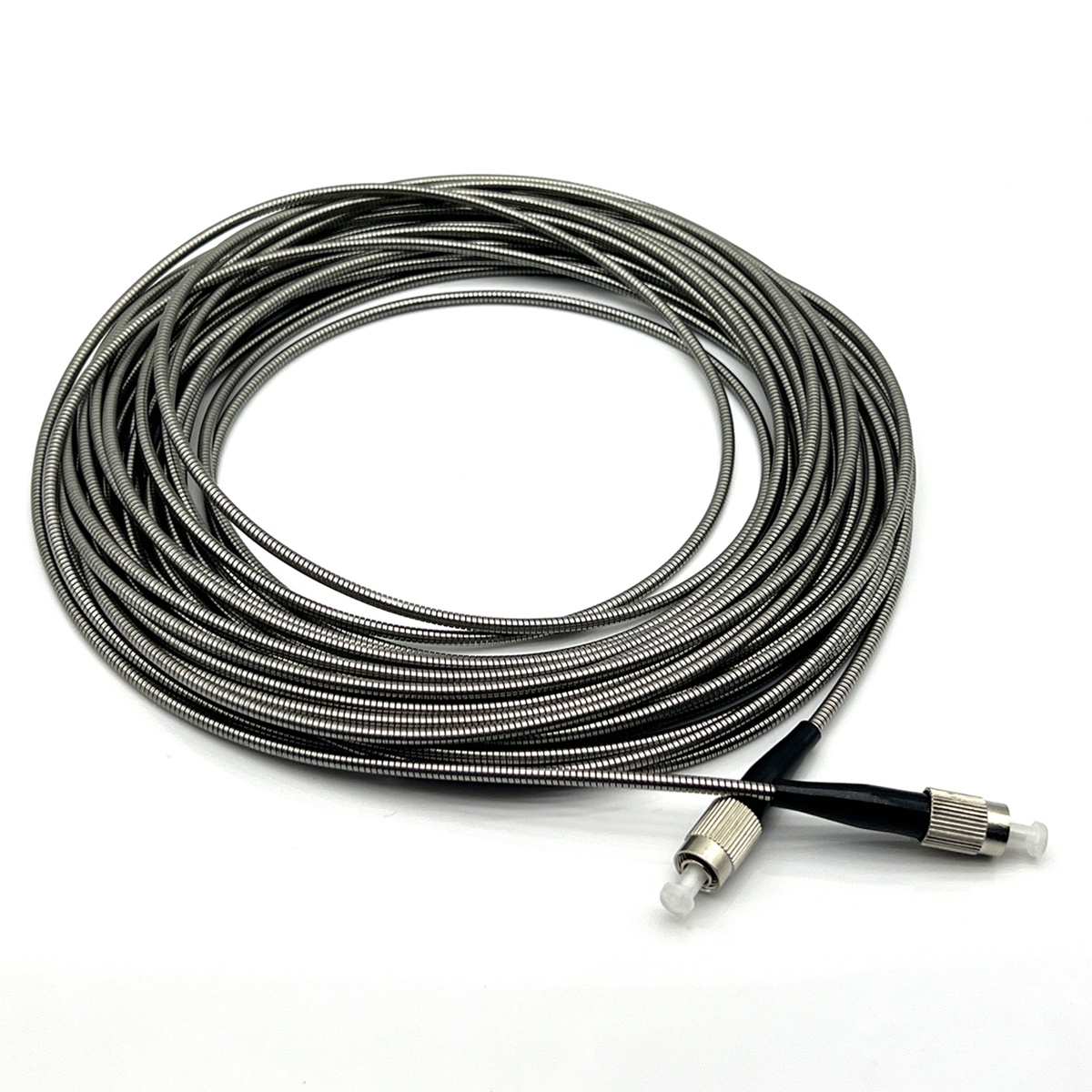
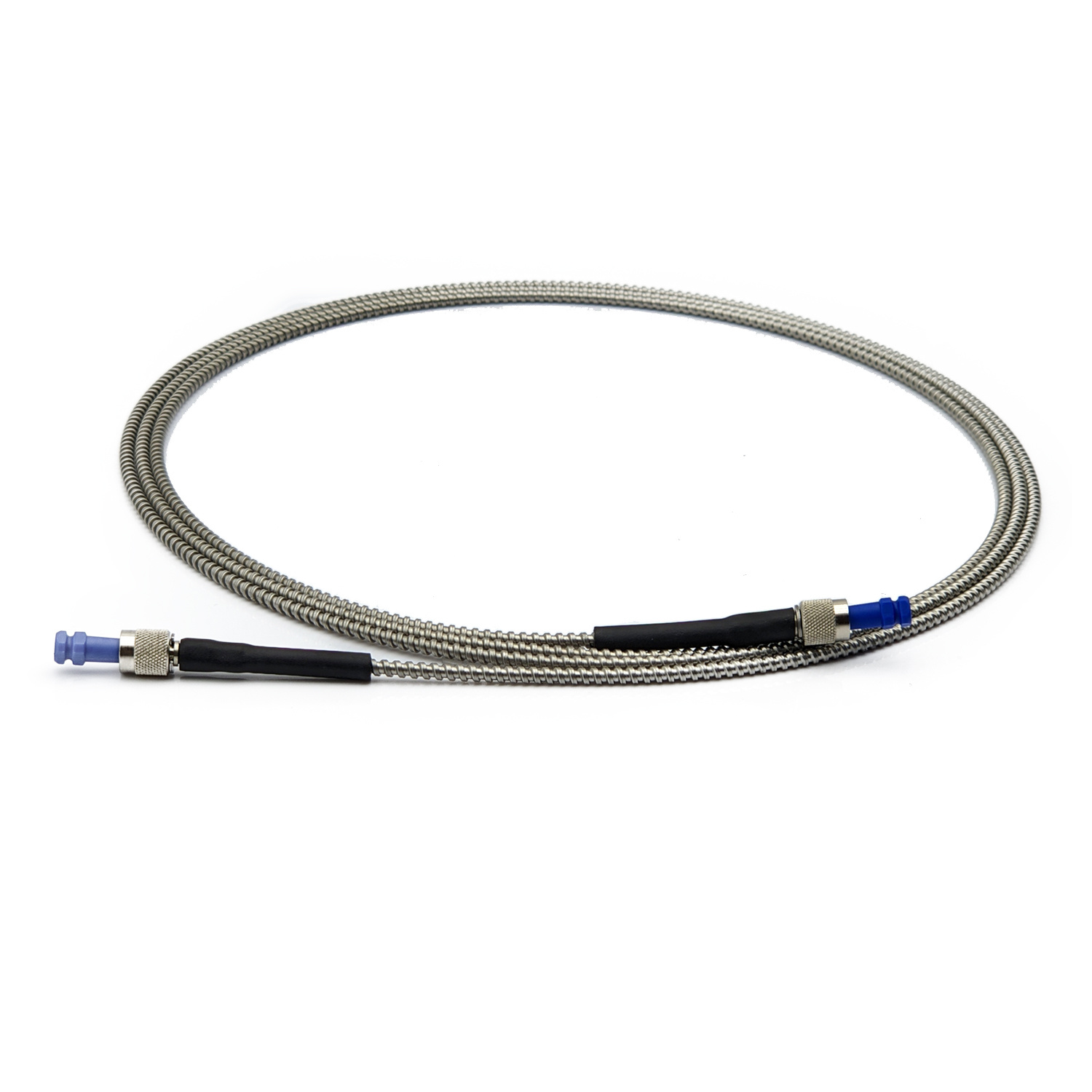
Different applications may require different cable structures, such as standard jacketed cable, reinforced cable, or designs better suited for industrial installation.
Connector Type
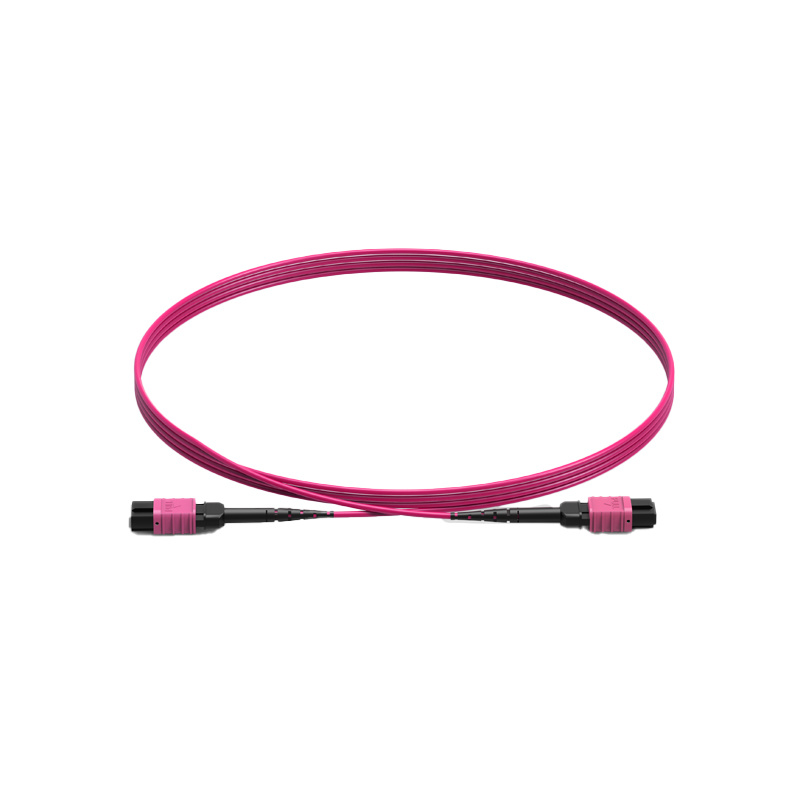
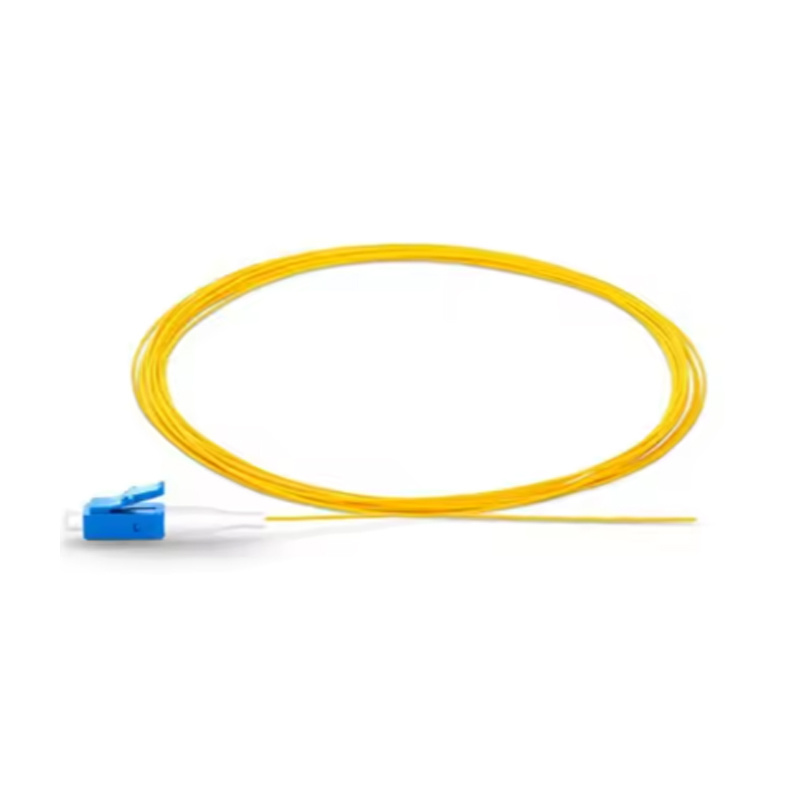
Connector selection depends on the system design and the matching interface. For some industrial optical links, compatibility with specific transceiver families is also important.
Environmental Conditions
Temperature, bending space, vibration, and nearby interference sources should all be considered during product selection.
A Practical Choice for Optical Isolation and Signal Stability
Plastic optical fiber is used in high-voltage equipment for one main reason: it solves real engineering problems.
When equipment works in a high-voltage, high-noise environment, signal transmission must be stable and safe. Optical links built with POF can help reduce interference, improve electrical isolation, and support reliable short-distance communication inside industrial and power-related systems.
For manufacturers working on power electronics, energy storage equipment, industrial control, and high-voltage systems, POF is not just an alternative material. In the right application, it is often the more practical solution.
Conclusion
Plastic optical fiber is widely used in high-voltage equipment because it combines optical isolation, EMI resistance, flexibility, and practical short-distance transmission performance.
As high-voltage and power electronic systems continue to develop, the need for clean and reliable internal signal links remains strong. In that context, plastic optical fiber continues to be a valuable connectivity option for many industrial applications.
If you are looking for plastic optical fiber jumper assemblies, cables, or customized connectivity solutions for high-voltage equipment, choosing products based on actual structure, interface, and application requirements is the key to long-term stable performance.
PREVIOUS:
Related News


