



Key Role and Applications of Fiber Optics in Smart Grids
The article explores the vital role of fiber optics in the development and operation of Smart Grids, emphasizing its critical applications across the generation, transmission, substation, distribution, and utilization stages of the power grid.
2025-11
A Smart Grid is the future of modern power systems, integrating advanced communication, monitoring, control, and protection technologies to achieve automated management, fault prediction, and efficient energy transmission. Fiber optics, as a core technology in Smart Grids, plays a crucial role. This article will explore the applications of fiber optics in Smart Grids and highlight its significance across generation, transmission, substation, distribution, and usage stages.

1. Overall Role of Fiber Optics in Smart Grids
1.1 Communication and Transmission
Fiber optics provides high-speed, stable, and low-latency communication networks for Smart Grids. It supports real-time scheduling and data exchange between various levels of the power system. Compared to traditional copper wiring, fiber optics offers higher bandwidth and better anti-interference performance, ensuring accurate and fast data transmission.
1.2 Online Monitoring and Sensing
With fiber optic sensing technology, real-time monitoring of critical parameters such as temperature, stress, vibration, arc, and leakage is made possible. Fiber optic sensors offer distributed sensing, low maintenance, and electromagnetic immunity, ensuring the reliable operation of power equipment.
1.3 Intelligent Scheduling and Protection
Due to its low latency and high reliability, fiber optics quickly delivers operational data of the grid, enabling automatic control and safety protection. In case of failure, fiber optics can transmit signals in real-time, allowing for rapid response and repair.
1.4 Safety Isolation and Signal Transmission
Fiber optics, with its high electrical insulation properties, transmits control signals in high-voltage environments, ensuring the safety of the power system. Additionally, fiber optics are immune to lightning strikes and electromagnetic interference, providing enhanced security.
1.5 Edge Computing and AI Monitoring Support
Fiber optic sensing networks not only provide real-time data transmission but also serve as the physical infrastructure for AI edge nodes. Combined with AI technologies, fiber optics enables intelligent diagnostics and predictions, optimizing system performance.
2. Typical Applications of Fiber Optics in Smart Grids
2.1 Generation Side
In power plants, fiber optics are used for internal communication and safety monitoring. Through single-mode fiber and fiber optic temperature monitoring systems (DTS), critical parameters such as turbine vibration, oil temperature, and exhaust temperature can be monitored in real-time to ensure stable operation.
2.2 Transmission Side
Fiber optics are applied in high-voltage transmission lines for communication and condition monitoring. With OPGW cables, ADSS cables, and fiber optic temperature sensing (DTS/DTSS), fiber optics enable line communication, tower monitoring, and temperature and stress measurement on conductors, ensuring transmission line reliability and safety.
2.3 Substation Side
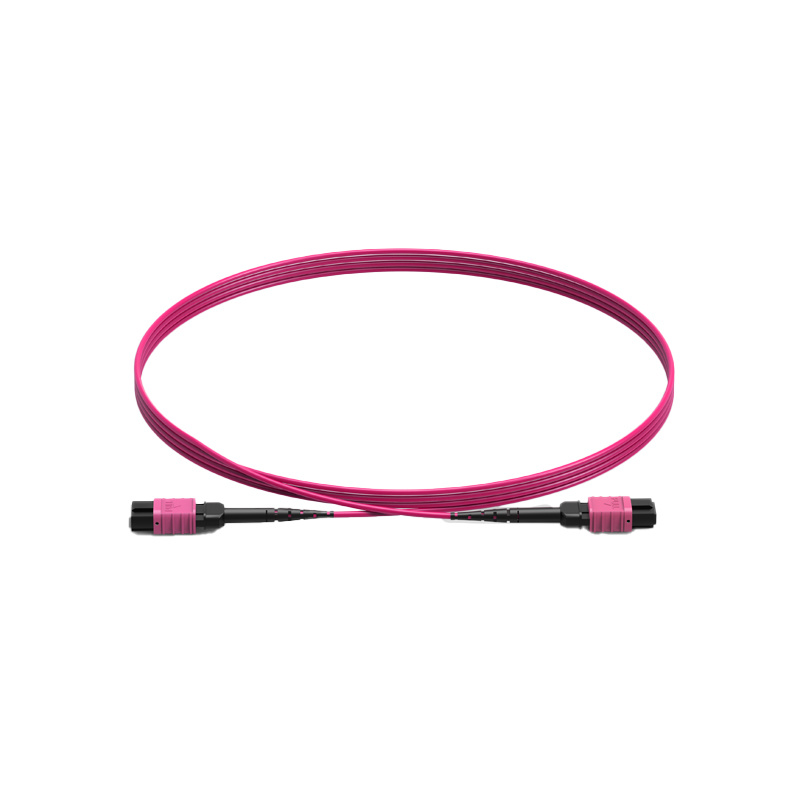
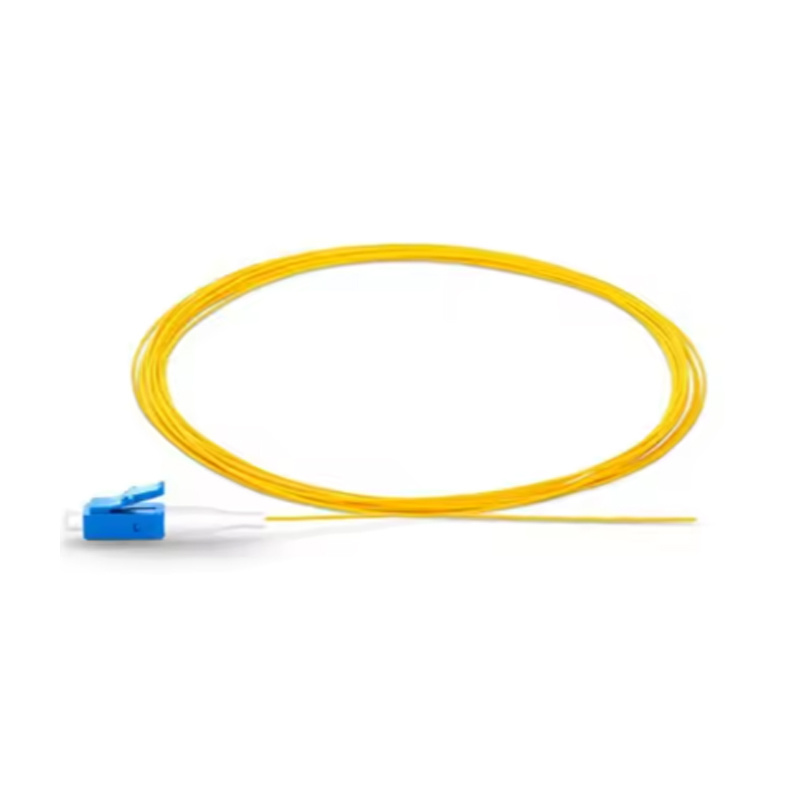
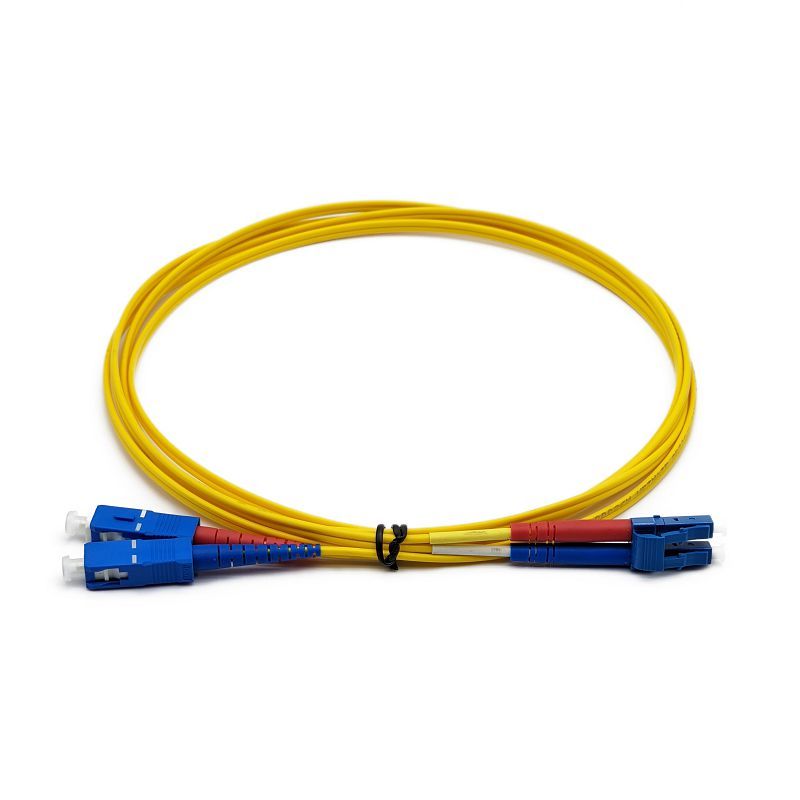
In substations, fiber optics are widely used for integrated automation and equipment monitoring. Through fiber optic ring networks and fiber optic jumpers, real-time data transmission ensures the monitoring of GIS temperature, fiber optic current/voltage sensors, and partial discharge detection.
2.4 Distribution Side
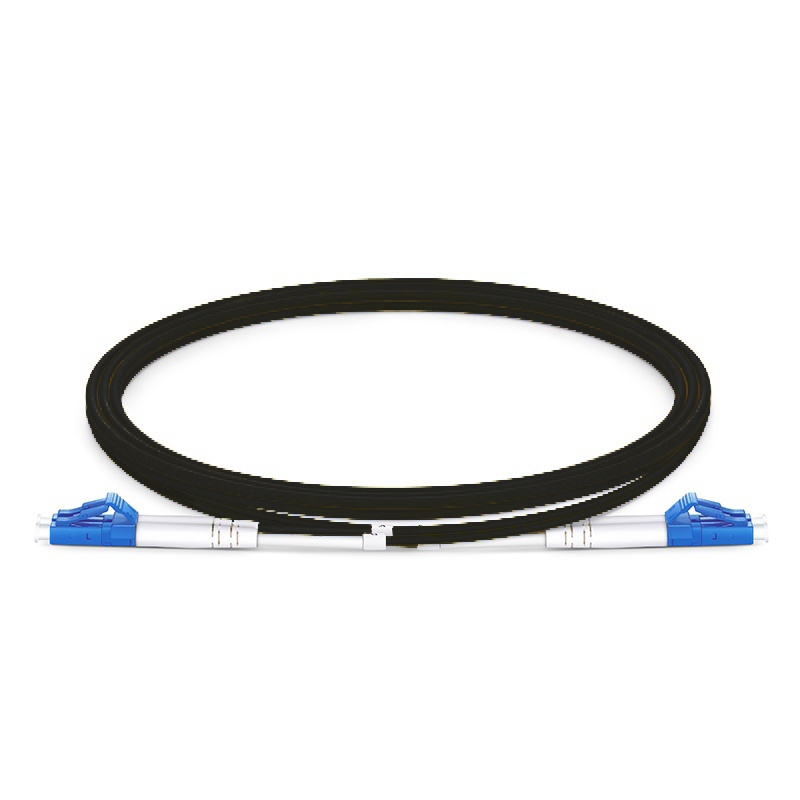
Fiber optics are used in urban and rural grid communications and distribution automation. Outdoor cables, micro-ADSS cables, and plastic optical fibers (POF) connect ring network cabinets, pole-mounted switches, and terminal points, supporting remote monitoring and automation for smarter distribution systems.
2.5 Usage Side
Smart meters, industrial user monitoring, and charging stations all rely on fiber optics for communication. FTTX fiber and fiber optic Ethernet enable data collection, metering communication, load management, and energy consumption monitoring, improving power usage efficiency.
3. Key Fiber Optic Technologies and Applications
3.1 OPGW Fiber Optic Ground Wire
OPGW serves as a composite overhead ground wire, providing both lightning protection and communication functionality. It is widely used in high-voltage transmission line tower tops, ensuring both safety and reliable communication.
3.2 ADSS Cable
ADSS (All-Dielectric Self-Supporting) cable is used in overhead transmission lines, providing high strength and anti-stretch properties, making it suitable for complicated environments where high reliability is essential.
3.3 DTS Distributed Fiber Optic Temperature Sensing
DTS systems, based on Raman scattering, are used for temperature monitoring in places such as substation busbars, cable trenches, and tunnels, preventing overheating or fire hazards.
3.4 Plastic Optical Fiber (POF)
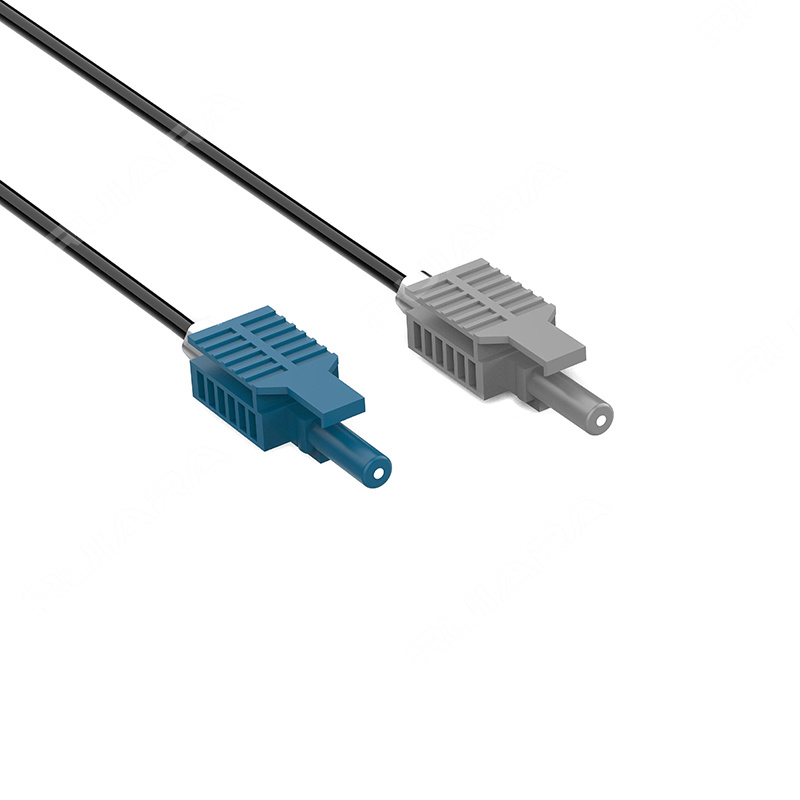
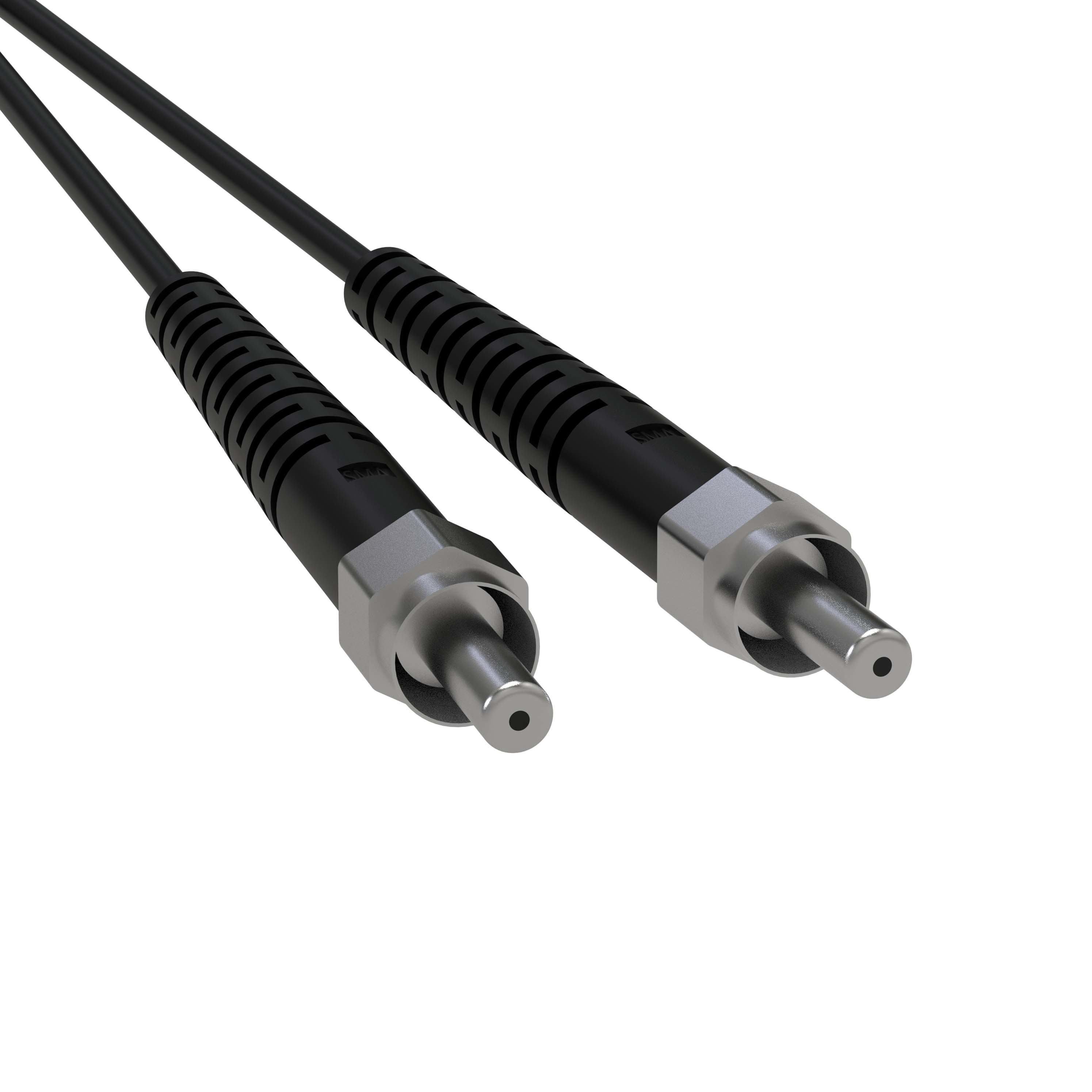
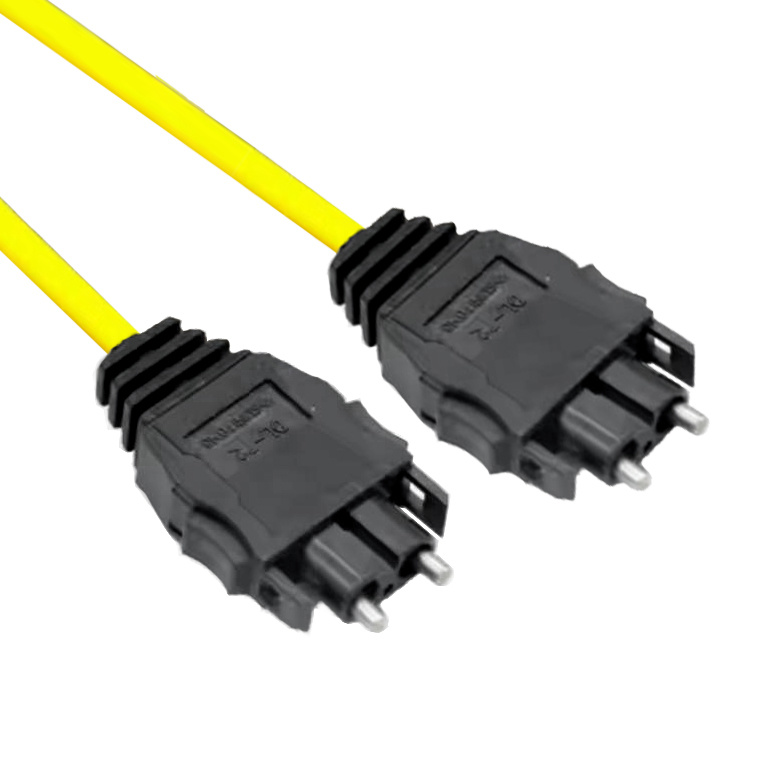
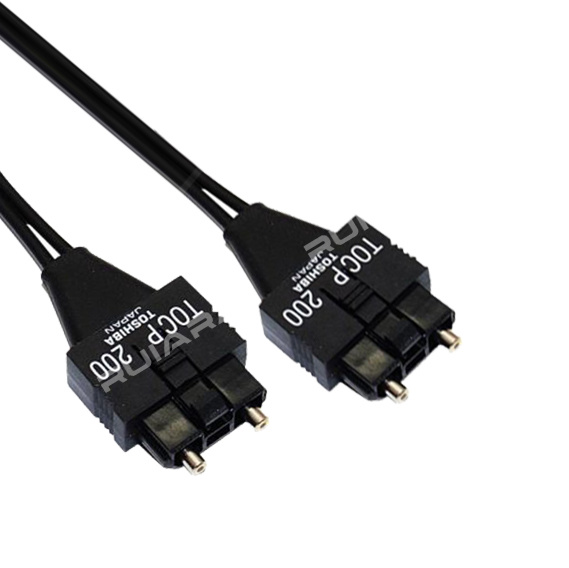
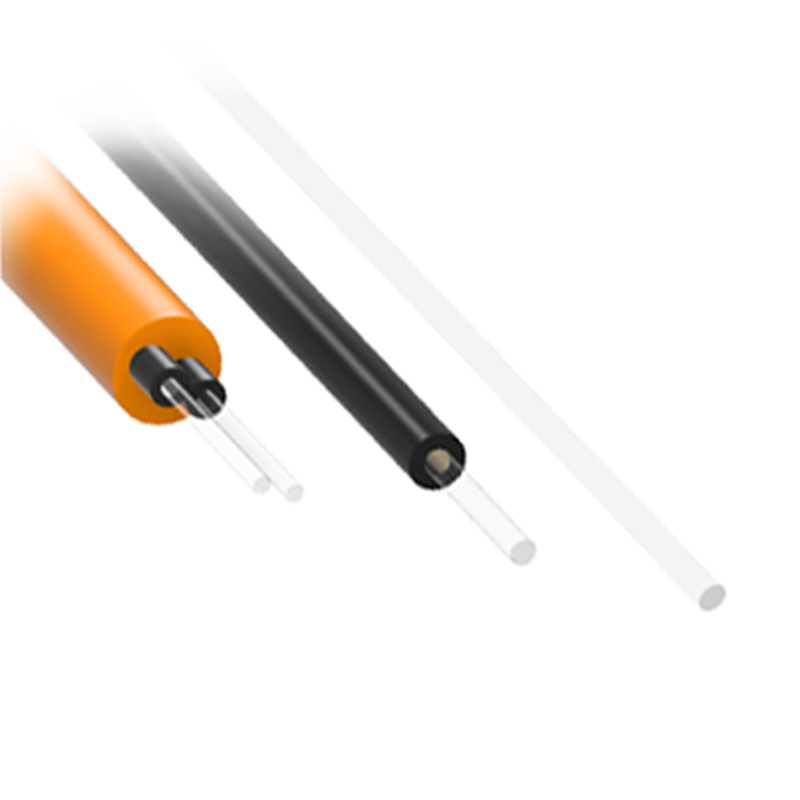
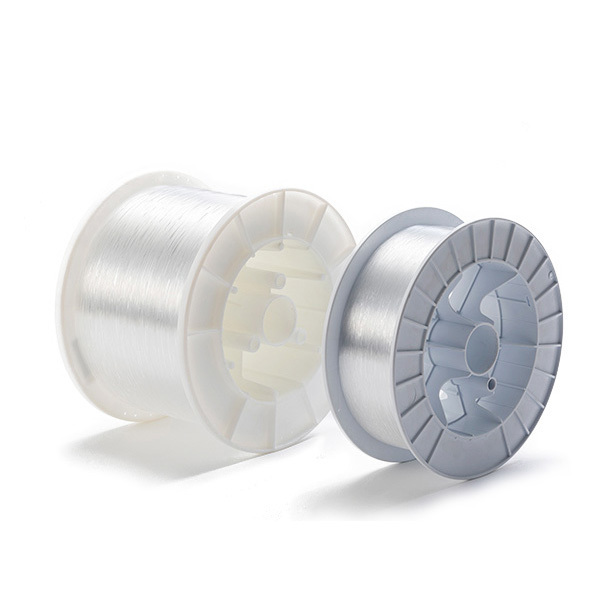
Plastic optical fiber is cost-effective, bend-resistant, and suitable for short-distance communication. It is widely used in distribution terminals and internal communication for smart devices, offering high-density and high-speed data transmission.

4. Future Trends
4.1 Fiber Optic Sensing and AI Integration
As AI technology progresses, the integration of fiber optic sensing and AI diagnostics will make the grid even smarter, enabling real-time fault prediction and automated maintenance.
4.2 Hybrid Cables with Multifunctionality
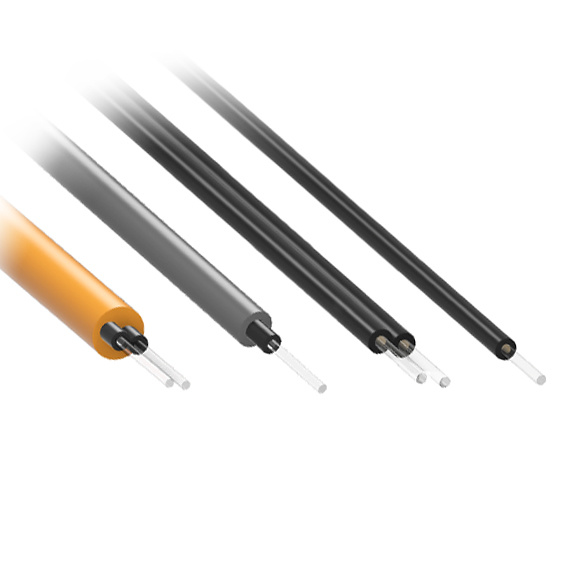
Future fiber optic cables will integrate multiple functions, such as data transmission, temperature monitoring, and stress monitoring, reducing wiring costs and enhancing grid intelligence.
4.3 Distributed Fiber Optic Intelligent Monitoring Platform (DFOS)
The DFOS platform will consolidate more fiber optic sensors, enhancing data collection and real-time analysis capabilities, enabling faster and more efficient fault diagnosis.
4.4 Wider Adoption of Plastic Optical Fiber in Distribution
Plastic optical fiber (POF) will become more widespread in smart distribution systems due to its cost-effectiveness, durability, and ease of installation.
5. Conclusion
Fiber optics are the "nervous system" of Smart Grids, connecting all stages of the power system, from generation to usage. In Smart Grids, fiber optics support communication, monitoring, protection, and control, enabling a transition from passive power systems to proactive intelligent networks. As fiber optic technology continues to advance, the Smart Grid will become more efficient, reliable, and intelligent, offering strong support for the future development of global power systems.
Related News


